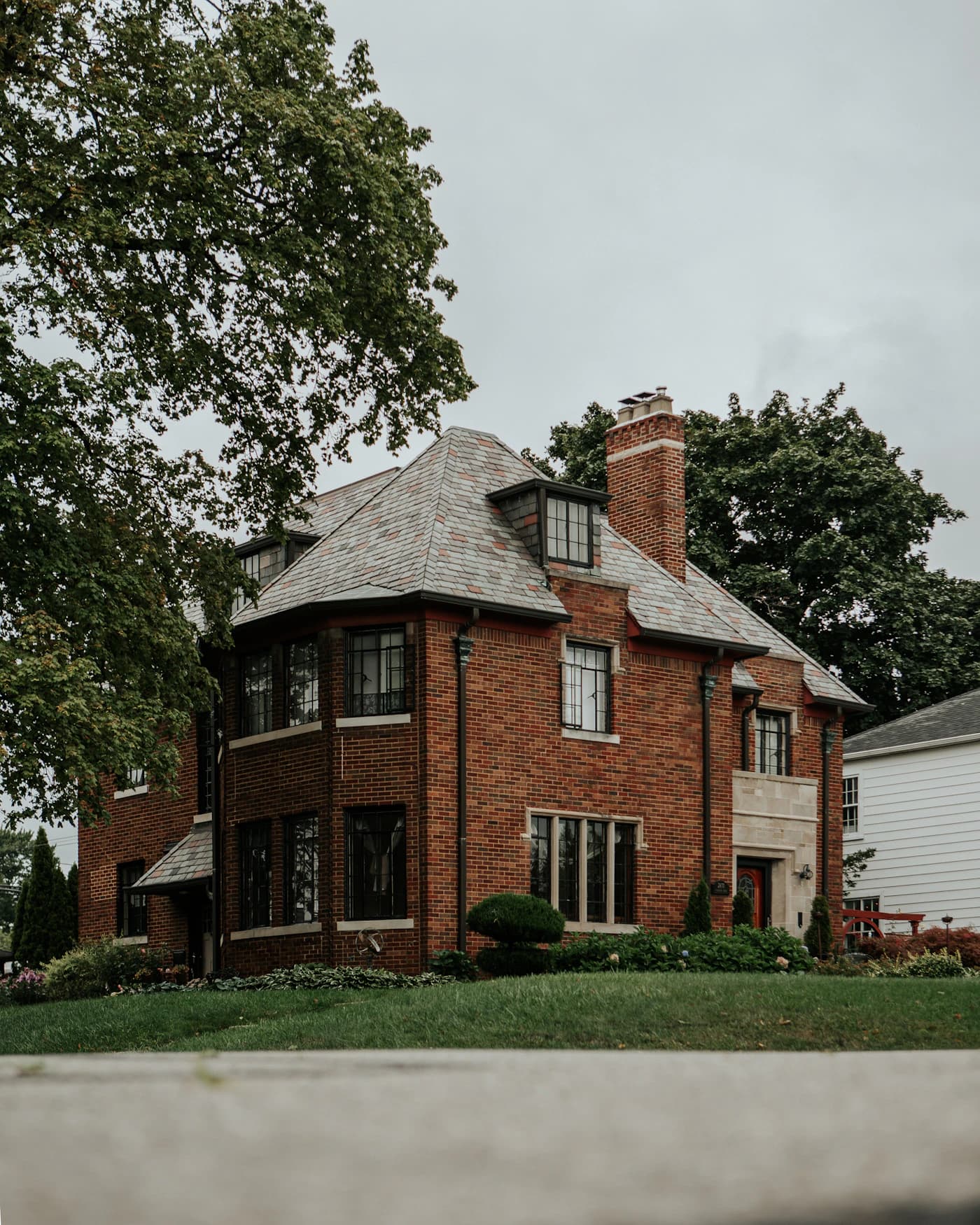
Bloomfield’s historic-preservation resources identify properties and districts that deserve address-specific checks before exterior changes. That does not mean every home is historic or every roof needs special treatment. It does mean a useful roofing plan starts with the building’s existing details and the scope of the proposed change.
Read the junctions on an altered home
Where a dormer, chimney or rear extension meets an older roof, several generations of flashing may overlap. A ceiling leak after wind-driven rain may involve a wall junction rather than worn field shingles. Ask the assessment to map the entry path and explain how a repair will reconnect the layers. If a previous patch covered the area, share its date and what problem it was meant to solve.
Replace by condition, not by appearance alone
Some visible wear is compatible with continued service; widespread brittleness and recurring water entry are different concerns. A replacement proposal should identify tear-off, concealed decking allowances, underlayment, edge protection and flashing. If attic spaces are divided by additions, ventilation should be considered by section. A new ridge vent alone does not establish adequate airflow.
Check the address before changing exterior details
Bloomfield’s Historic Preservation Commission provides a district property list and application information. Use that official resource to establish whether the particular property needs additional review. Do not assume that a neighbor’s approval covers your work. Keep any required review separate from the technical question of which roof assembly is suitable, and confirm responsibility for submissions in the project agreement.
Local reference: The township provides a historic-district property list and exterior-project review information. Official local resource ↗
Roofing observations above are property-specific guidance, not findings about every building in Bloomfield.