A useful roof inspection turns observations into decisions. It should explain what is visible, what remains concealed and what should happen next. That can mean a localized repair, further investigation, maintenance or planning for replacement—not automatically a new roof.
Start with the question you need answered
Are you investigating a leak, evaluating storm damage or planning a future replacement? The purpose affects access, documentation and any additional investigation. Share repair history and the timing of symptoms. Tell us about occupied units or rooms that cannot be entered so the limitations are known before the visit.
Inspect details, not just broad surfaces
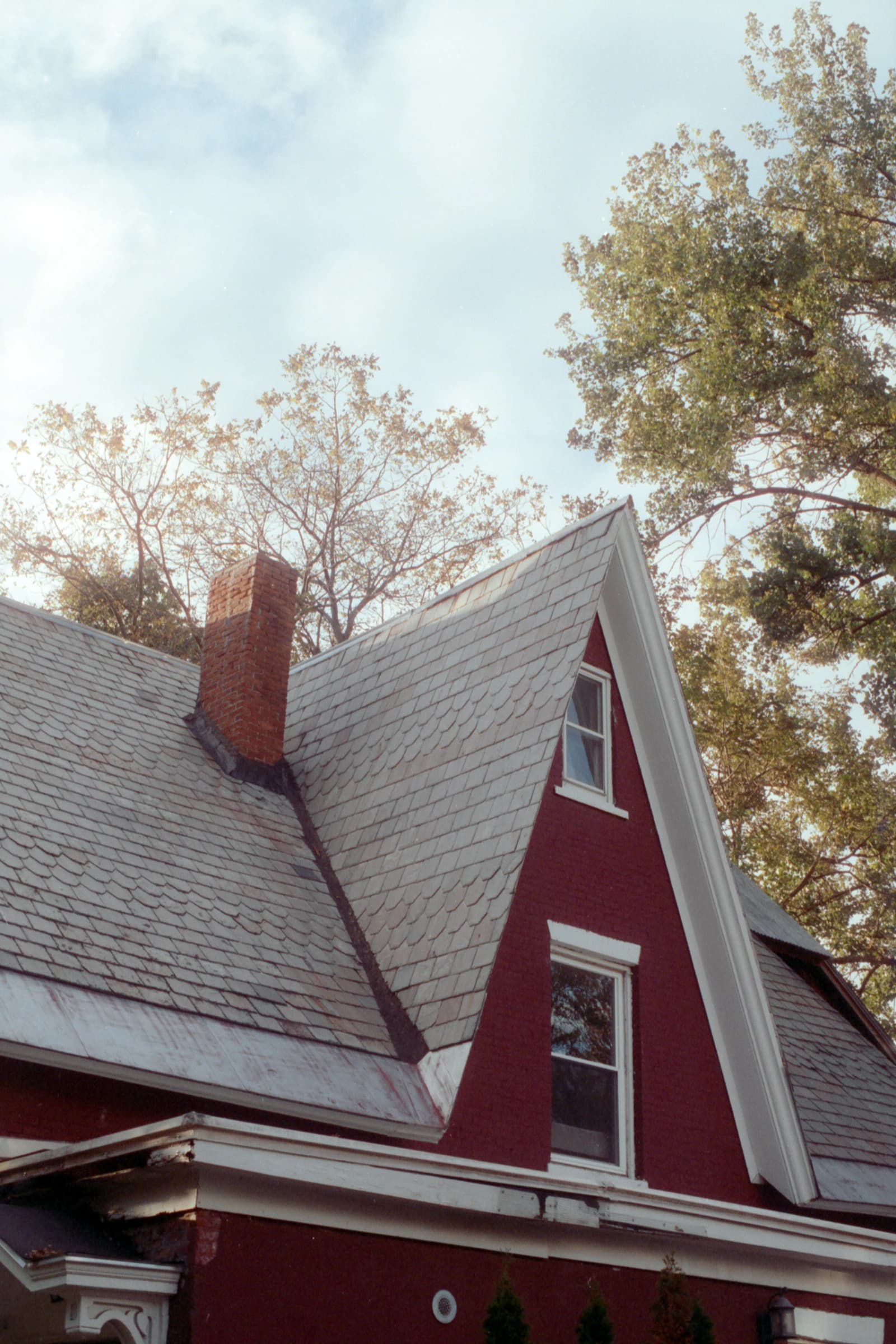
A roof can look consistent from the street while a boot or flashing connection has deteriorated. Valleys, dormer walls and changes in pitch deserve focused attention on complex homes. For membrane roofs, seams, perimeters and outlets are central. The inspection method must suit safe access and the roof’s condition.
Explain the limits of a visual assessment
Concealed decking and wet insulation cannot always be evaluated from the surface. A report should distinguish observed facts from suspected conditions and recommend further investigation when necessary. An inspection is not a structural certification or a guarantee that every hidden defect has been found.
Leave with priorities you can act on
Separate urgent water-entry concerns from maintenance items and longer-term planning. Ask which findings support each recommendation and what is included in any quoted follow-up. Keep photographs and written findings with your property records. That baseline is especially helpful for a multi-unit or commercial building with changing managers.
Request a report you can use to compare next steps
Ask for findings to identify the roof area, the observed condition and the recommended action. Photographs are more useful when the location and issue are explained. If the recommendation is replacement, ask which observations make a limited repair unsuitable. If the finding is maintenance, clarify the task and whether a separate defect still needs repair. Record inaccessible areas and conditions hidden by coverings or equipment so they are not mistaken for inspected areas. The resulting record should help you decide what to do next, while making clear where additional investigation is necessary before a firm scope or price can be established.
Choose the assessment for the decision at hand
A visit to trace active water entry is different from collecting information for a planned capital project. Tell the assessor if you need findings for a sale, insurer, property manager or another third party, and confirm that the offered service and documentation fit that purpose before booking. Do not assume an ordinary roof assessment supplies a certification or satisfies a third party's requirements. Share the relevant request without unnecessary personal documents. When follow-up investigation is recommended, identify its purpose and who will authorize it. This keeps the inspection tied to a clear question rather than creating a report with no agreed next step.