An inspection is valuable when it helps you make a decision. A list of photographs without context is hard to act on; a replacement recommendation without findings is hard to assess. Before a visit, explain whether you are investigating a leak, documenting storm damage or planning ahead for an Essex property.
Prepare the questions and the history
Gather the approximate age of known work, previous invoices and a short account of symptoms. Explain which areas are accessible. If the property includes several roof materials, mention them if known. Do not climb the roof to prepare. Safe ground observations and existing records are enough to begin the conversation.
Ask what was actually inspected
The method depends on safe access and conditions. Covering, flashing, edges and drainage deserve attention, but some areas may be concealed or inaccessible. A useful report states those limits. An exterior visual inspection cannot promise to discover every deck defect or all moisture beneath insulation.
Expect priorities, not only a defect list
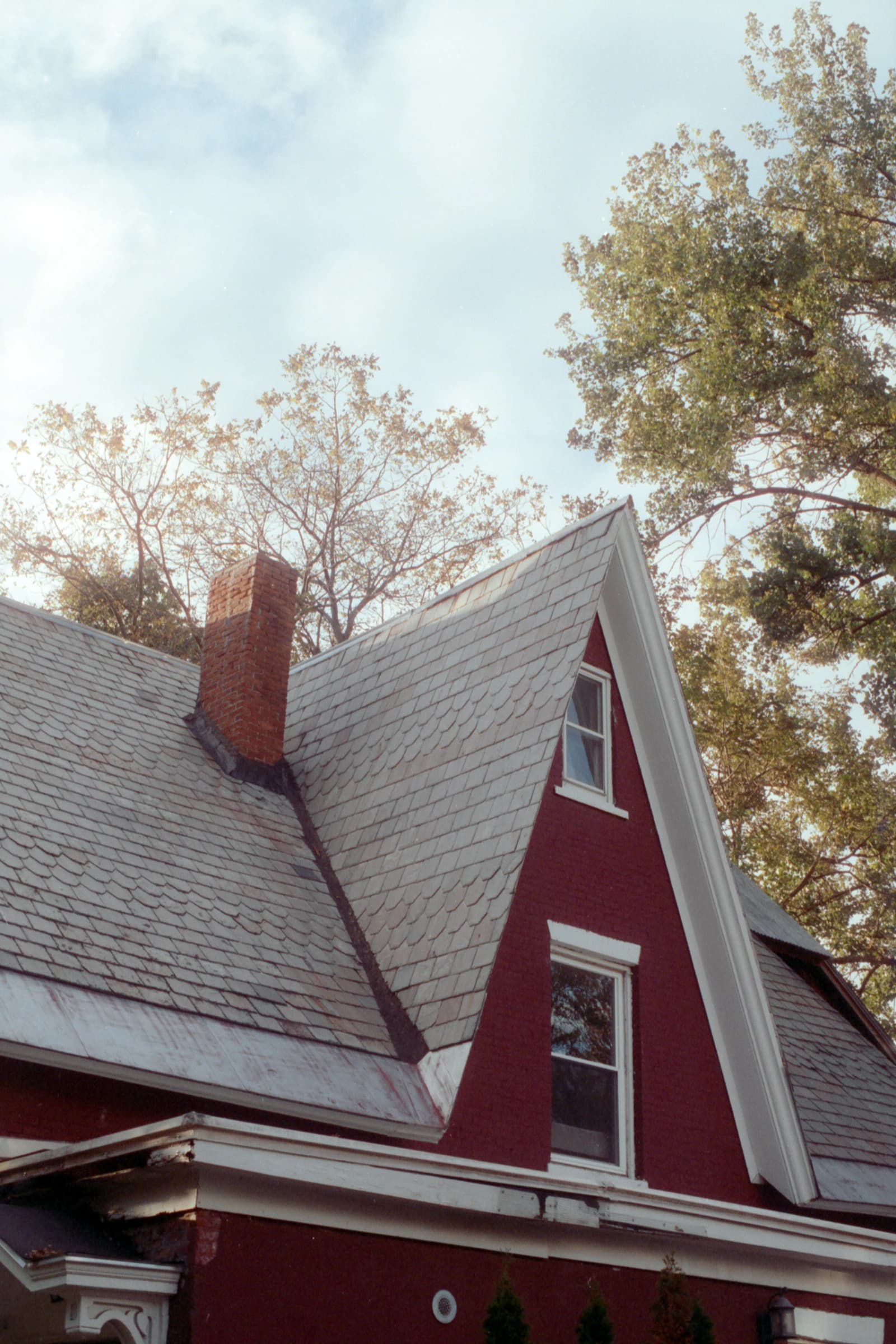
Findings should distinguish active water-entry concerns, maintenance needs and longer-term replacement planning. Ask which evidence supports each recommendation. A chimney junction that needs repair has a different scope from widespread covering deterioration. Further investigation may be a legitimate next step when the initial evidence is incomplete.
Use the findings to compare proposals
A proposal should connect the observed problem to the planned work. Compare included roof sections, materials, hidden-condition allowances and cleanup. Preserve the report as a baseline for later inspections. It is a record of observed conditions within stated limits, not a guarantee that no future leak can occur.