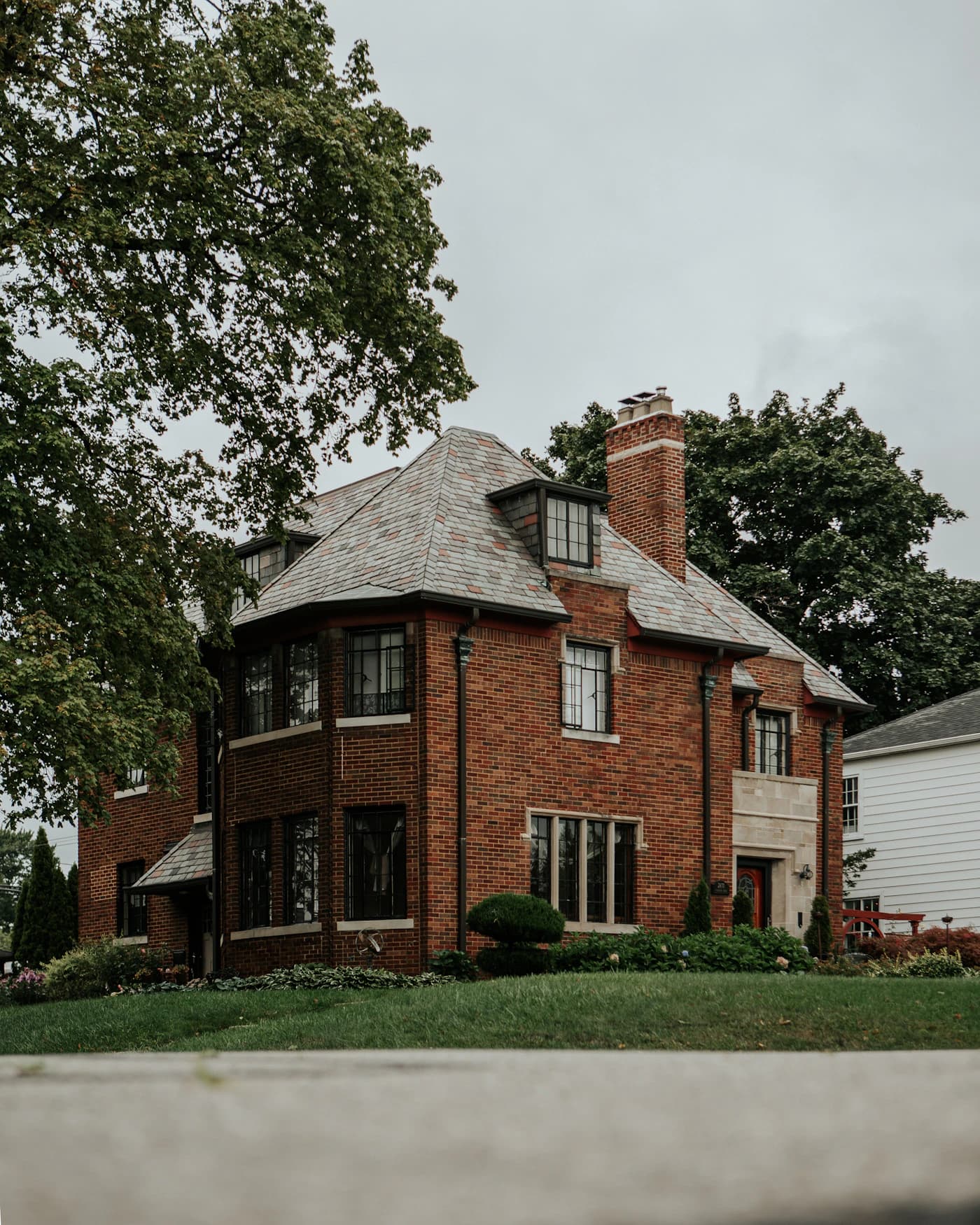
Maplewood’s historic-preservation planning documents describe buildings from different periods. On an older home, the roof may also contain work from several periods: a repaired chimney, a later dormer or a replaced rear addition. Understanding those layers is more useful than treating age as a diagnosis.
Look where a dormer interrupts the slope
A dormer creates walls, corners and sometimes a small valley within a larger roof. Water entry near an upstairs window may involve its flashing or siding connection. An assessment should trace the path and identify which trade’s work is needed. Replacing shingles nearby without resolving the wall junction may leave the original cause in place.
Use repair history to find patterns
If the same ceiling area has been patched repeatedly, gather the dates and descriptions of earlier work. A recurring winter-only problem may differ from a leak during wind-driven rain. Do not assume an old roof is the only possible moisture source; attic condensation and other building issues may need investigation. Inspection findings should distinguish evidence from inference.
Plan the roof edge and vegetation together
Where branches overhang the home, debris may gather around valleys and gutters. The practical response depends on observed contact and buildup rather than a general description of Maplewood as leafy. Discuss safe maintenance access, gutter condition and roof-edge details. If replacement changes exterior features on a designated property, confirm any applicable municipal review using the precise address.
Local reference: Maplewood maintains a historic-preservation planning resource for local property context. Official local resource ↗
Roofing observations above are property-specific guidance, not findings about every building in Maplewood.