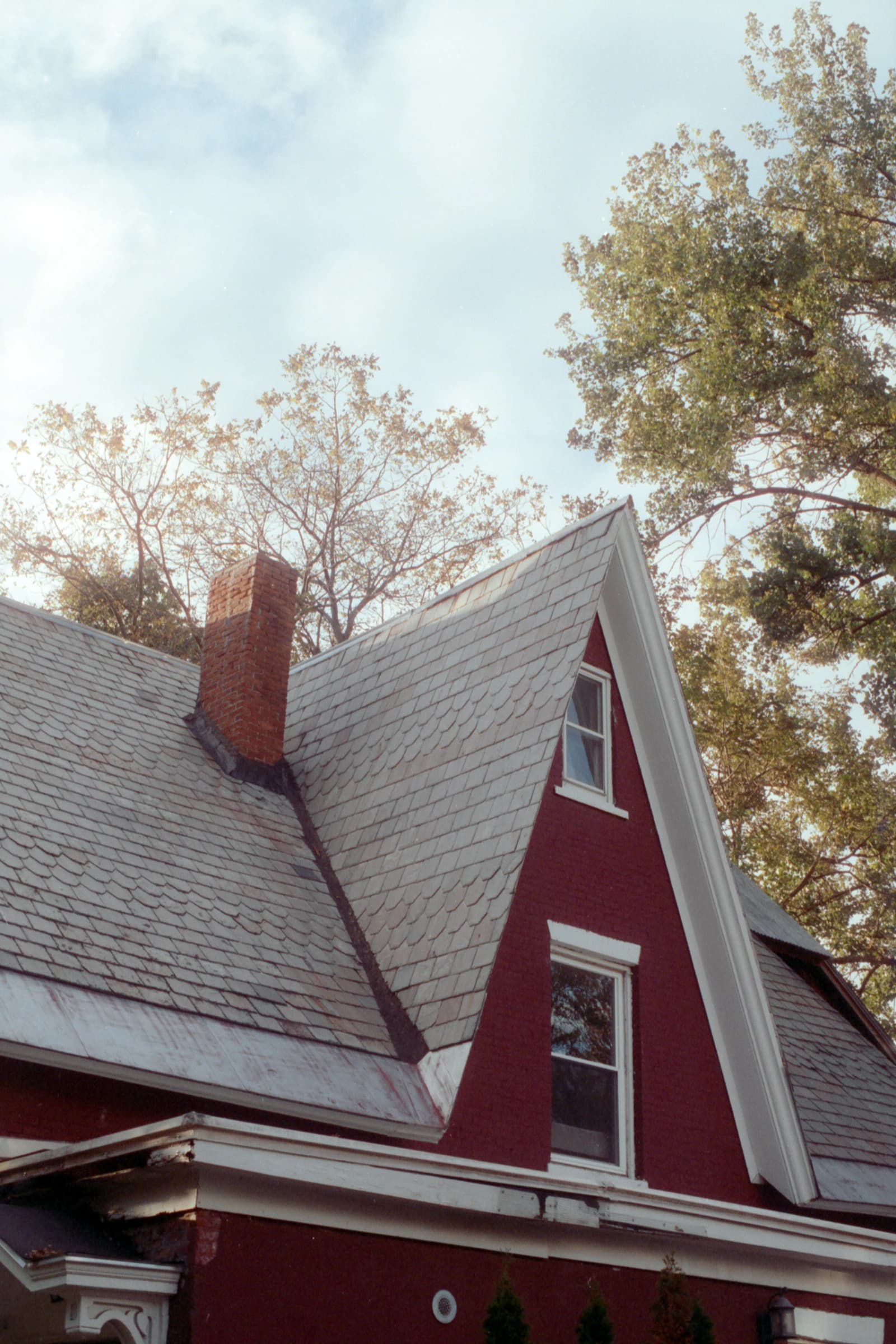
When water is actively entering, the immediate priority is the safety of people inside. Keep away from sagging ceilings, damaged wiring and unstable roof areas. Call to describe the conditions and confirm response availability; a website inquiry is not an emergency dispatch service.
What to do while arranging help
Move people away from affected rooms. If it is safe, protect belongings and record damage from the ground or a dry interior location. Do not walk under a bulging ceiling, handle wet electrical equipment or climb a ladder in wind or rain. Contact emergency services or the appropriate utility for an immediate life-safety or electrical hazard.
Explain the opening, not just the stain
Tell us if a branch struck the roof, if covering is visibly missing or if water is entering around a chimney or wall. Mention occupied upper-floor units and access restrictions. In a multi-unit Newark or East Orange building, the person arranging work should identify who can provide roof and interior access. Photographs are useful only when taken safely.
Temporary work has a limited purpose
Temporary weather protection may reduce further entry while conditions allow assessment and permanent work. Its method depends on roof material, access and the opening. It is not a promise that every leak can be stopped immediately or that a damaged structure is safe. Ask what the temporary measure covers and what follow-up remains necessary.
Return to the underlying cause
After immediate protection, document the damaged covering, flashing and any exposed deck. Moisture trapped below a surface may need further evaluation. A permanent repair or replacement proposal should separate storm-related damage, pre-existing deterioration and concealed conditions. Keep all records if you choose to contact your insurer; coverage decisions belong to the insurer.
Prepare a short, useful call description
Start with the property address, a callback number and whether people are currently affected. Describe active dripping, an obvious opening, a fallen branch or displaced roof material using observations from a safe location. Mention whether access requires an owner, superintendent or tenant to be present. If multiple units are involved, identify one authorized contact who can coordinate entry without sharing unnecessary occupant information. Explain any immediate hazards before discussing a repair appointment. Response depends on conditions and availability, so confirm what has actually been arranged. Sending a form does not establish an arrival time or replace contacting emergency services for a threat to people.
Keep temporary and permanent work connected
Ask for a record of the temporary measure, the area it protects and any limitations explained at the visit. Establish who will arrange the next inspection and how to report renewed water entry. The permanent proposal may need to address more than the visible opening, particularly where water has reached insulation, sheathing or interior finishes. Keep roofing, structural evaluation and interior restoration responsibilities clear. If the property cannot safely be occupied, a roof covering alone does not settle that question. The goal of the follow-up is a documented route from immediate protection to an appropriate completed repair, with each unresolved condition assigned a next step.