Orange refers here to the City of Orange Township in Essex County. It is separate from East Orange, West Orange and South Orange. Accurate location information matters when coordinating property access or local project requirements; the roofing recommendation then follows the actual building rather than a shared place name.
Make the leak report specific enough to investigate
Describe which floor and room are affected, when the water appears and whether previous work changed the symptom. If several occupants report problems, an authorized owner or manager can combine their observations. The assessment should avoid treating every ceiling mark as a separate roof defect before tracing the possible paths between them.
Evaluate each surface and its outlet
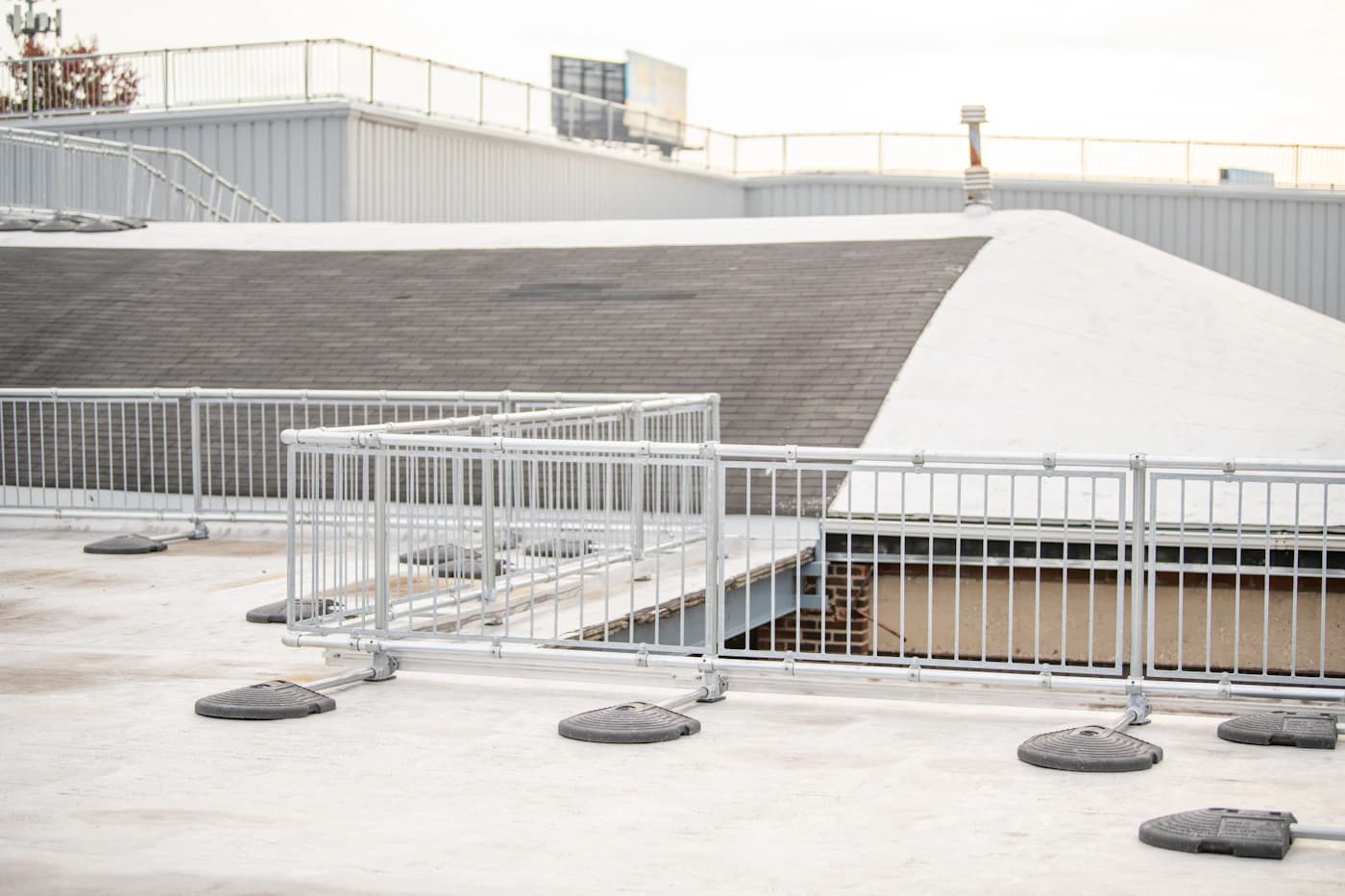
For a membrane section, check seams, penetrations and the route to drains or edges. For a pitched section, inspect shingles, valleys and flashing. A building may combine both. Where a roof has parapets, their flashing and outlet details need separate attention. Do not assume all urban properties share the same roof construction.
Scope the work around retained material
A localized repair must connect to a serviceable surrounding system. If repeated patches or brittle materials prevent that, a larger scope may be more practical. Ask what the assessment actually found, which areas could not be inspected and how access will be managed during work. Confirm municipality-specific questions with Orange’s official offices.
Local reference: City of Orange Township is the municipal identity used here, distinct from the other Oranges. Official local resource ↗
Roofing observations above are property-specific guidance, not findings about every building in Orange.